The #1 Marketing Content Generator
AI-Generated content
Generate unique texts, optimized for SEO and enriched with your unique value proposition. And the best part is that you can do it massively.
Your next content is going to be epic ❤️
+40% in organic traffic
As seen on
Struggling to rank?
Boost your traffic with SEO-optimized articles
Content without Vuela
- Articles from titles
- Manual article creation
- Manual generation of featured and in-article images
- Manual internal linking optimization
- Search for authority references
Content with Vuela
- Articles from keywords
- Scale article generation
- Include your knowledge to make content unique
- Automatic generation of images with your brand style
- Automatic management of internal and external linking
- Connected to your project
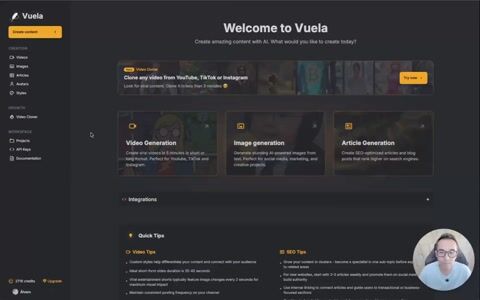
From keywords This is how we generate 100 articles in 5 minutes
Articles
User needs first. Content later.
0% AI. 100% Human
The generated content goes through a humanization and naturalization process that bypasses the strictest AI detectors.
Always SEO-friendly
We use our deep research analysis to solve the main search intentions for the topic of the article. Title and meta description are also optimized.
Enriched and formatted
The content includes headings, bold text, lists and citations when appropriate. We can also add tables of contents and FAQs.
In-article images
Content includes featured and in-article images with consistency between visuals and text. Available only for article generation.
Delivered instantly
We generate one article every 5 minutes, up to 45 articles daily with the highest precision and without compromising quality.
Multilingual approach
Adapted to over 150 countries. We generate text the way you want to express it and your audience would prefer to read it.
Seamless integration with WordPress, PrestaShop, Shopify… Automate internal links, images, SEO and GEO content
Do you use WordPress? We have our own plugin 👌
Bulk import
Articles for pages or posts
Status "published" or "draft"
Fully automated AI text creation tools
Don't take our word for it. Here's Vuela's work:

Google Ads spy tool. Analyze competitor campaigns with AI
Search any brand, see their active Google Ads text campaigns, get an AI-powered campaign audit with scoring, and generate improved ad variations instantly.

Keyword Research Tool: Find SEO Keywords in Seconds
Discover high-value keywords with AI-powered search volume, difficulty scores, and competitor gaps. Build your content strategy faster.

AI Content Planner: Generate a Month of Ideas Instantly
Plan your entire content calendar with AI. Get topic ideas, SEO angles, and publishing schedules tailored to your niche.

AI Social Media Post Generator and Scheduler
Generate scroll-stopping posts for LinkedIn and X with AI. Write, schedule, and publish from one place. Match your brand voice automatically.
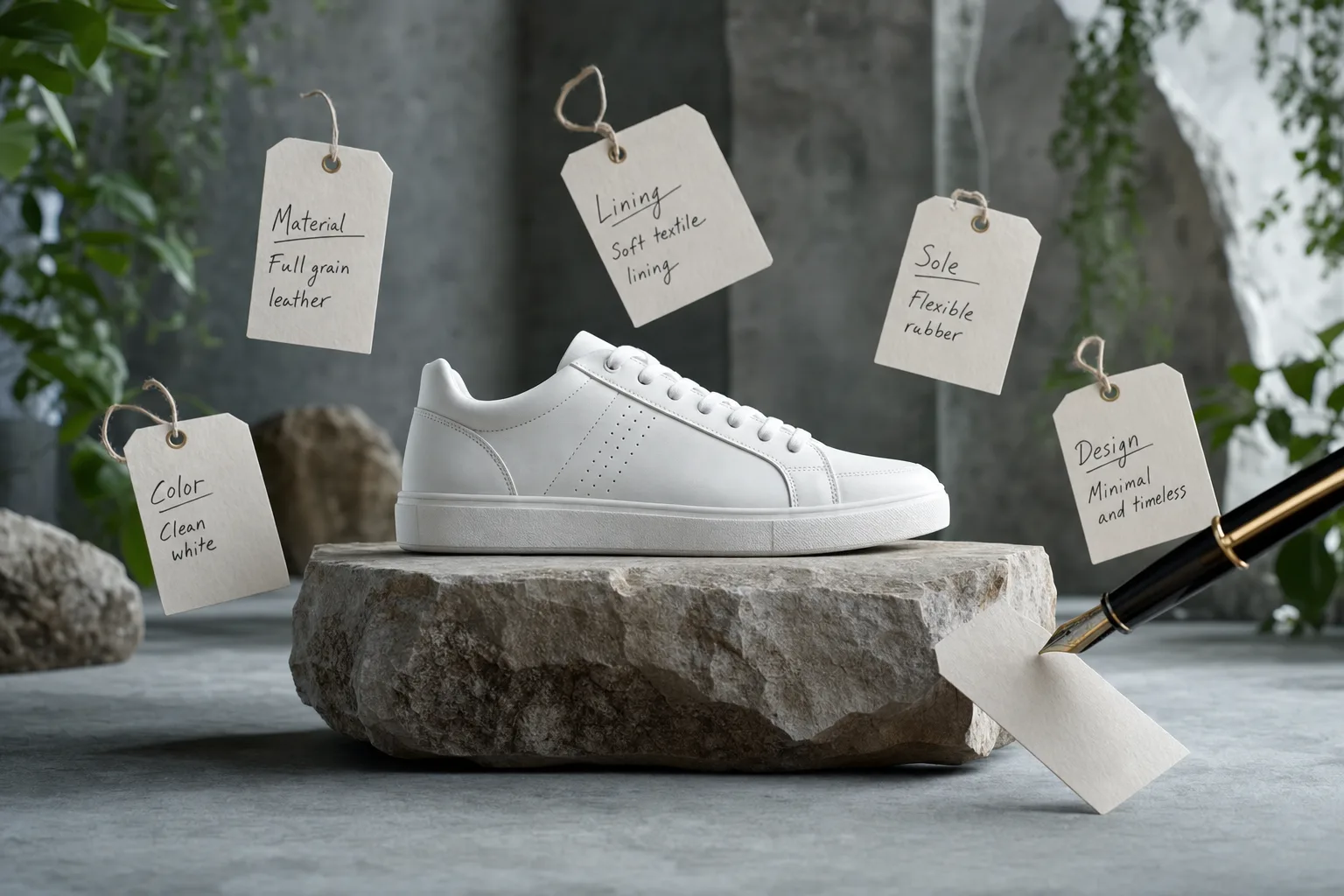
AI Product Description Generator: Write Listings That Convert
Generate SEO product descriptions for Amazon, Shopify, Etsy, and more with AI. Bullet points, long-form copy, and keyword-optimized titles in seconds.

AI SEO Article Writer: Write Articles That Rank in Minutes
AI article writer that researches keywords, structures the outline, and writes long-form SEO content in minutes. Optimize existing articles or write new ones from scratch.
Hashtag Generator: Copy-Ready Hashtags for Every Platform
Enter a topic and get ready-to-paste hashtag lists tuned to Instagram, TikTok, YouTube and X. Free AI hashtag generator that mixes broad-reach and niche tags to grow your reach.
AI Caption Generator for Instagram, TikTok & More
Turn any idea into a scroll-stopping social caption with emojis and hashtags. Free AI caption generator that writes post-ready copy for Instagram, TikTok, LinkedIn and X in seconds.
Pricing
The best content. The cheapest price.
Lite
A light plan for casual creators getting started.
$9
per month
500
AI credits / monthly
- 80+ AI Creation tools
- AI Video with cloning & reimagining
- AI Images with Try-On & product shots
- Generate original background music
- Publish SEO-ready articles instantly
- Viral video inspiration
- 19+ preset & custom video styles
Starter
The essential toolkit for exploring AI content creation.
$19
per month
1,050
AI credits / monthly
- 80+ AI Creation tools
- AI Video with cloning & reimagining
- AI Images with Try-On & product shots
- Generate original background music
- Publish SEO-ready articles instantly
- Viral video inspiration
- 19+ preset & custom video styles
Growth
The perfect plan for serious content generation.
$59
$39
per month
2,200
AI credits / monthly
- 80+ AI Creation tools
- AI Video with cloning & reimagining
- AI Images with Try-On & product shots
- Generate original background music
- Publish SEO-ready articles instantly
- Viral video inspiration
- 19+ preset & custom video styles
Business
The complete solution for content-driven businesses.
$99
per month
6,000
AI credits / monthly
- 80+ AI Creation tools
- AI Video with cloning & reimagining
- AI Images with Try-On & product shots
- Generate original background music
- Publish SEO-ready articles instantly
- Viral video inspiration
- 19+ preset & custom video styles
- Priority support
Looking for a custom plan?
Adapted to your business needs (volume and customization)
Detailed Features
Everything you need to create outstanding content
Text creation tools
From 1,500 to 3,000 words.
Generate comprehensive, long-form content optimized for SEO and reader engagement. Perfect for in-depth articles and pillar content
Auto Keyword Research
AI-powered keyword analysis that identifies high-value search terms, search intent, and content gaps in your niche to maximize organic traffic
AI Editor
Advanced AI editing tool that helps refine tone, style, and readability while maintaining SEO optimization and brand voice consistency
Real-Time Web Research
All our content is based on the latest news and trends, so you can be sure that your content is always up-to-date and relevant
Internal & External linking
Smart linking system that automatically suggests and implements relevant internal links and authoritative external sources to boost SEO value
Google Auto-Indexing
Automated submission to Google's indexing API ensuring your content gets discovered and ranked faster in search results
150+ supported languages
Create and translate content in over 150 languages with native-level quality, maintaining SEO value and cultural relevance
Featured & In-Article Images
AI-generated custom images and illustrations that enhance your content's visual appeal and boost engagement rates
FAQ
Frequently Asked Questions
AI Text
What makes this content generation service different from ChatGPT?
We focus on quality above all, generating content based on your knowledge base and using relevant references from your sector. Additionally, the content includes formats such as headings, bold text, lists, and citations.
Is the content marked as AI generated?
No, it is not. But if you try to use AI generated content detectors, compare it also with 100% human generated content.
In which format is the content generated?
It can be in JSON, HTML or in Word / Google Docs format.
Can I import my content to WordPress?
Yes, you can import your content to WordPress using our WordPress Plugin. Just download the .zip file from Github and install it in your WordPress site.