How to create an AI influencer in 2026: step-by-step guide
An AI influencer is a virtual character that posts like a real creator. It has a face, a name, a personality, and a feed full of photos and videos. The difference is that no human stands in front of the camera. Every image, every clip, and every voice line is generated. Some of these accounts have hundreds of thousands of followers and real brand deals.
The hard part is not making one good-looking image. The hard part is making the same character appear in hundreds of posts without the face drifting. This guide walks through the full process: design the character, lock its look, generate images and video, give it a voice, then grow and monetize the account. It also answers the questions most people ask first: do AI influencers make money, is this legal, and which tools actually work.
What is an AI influencer and why people build them
A virtual influencer is a synthetic persona that exists only as content. Think of accounts like Lil Miquela or Aitana Lopez. They look human, they have a backstory, and they sell things. The persona never gets sick, never ages unless you want it to, and can post in ten languages at once.
People build them for a few reasons. The cost of content drops sharply because there is no studio, no model fee, and no shoot day. One person can run an account that looks like a small media team made it. And a virtual character is an asset you own outright, so brand partnerships do not depend on a human who might leave.
The trade-off is trust. Some viewers prefer real human expression, and platforms increasingly expect you to label AI content. Treat that as a rule, not a suggestion. We cover the legal side near the end.
How to create an AI influencer step by step
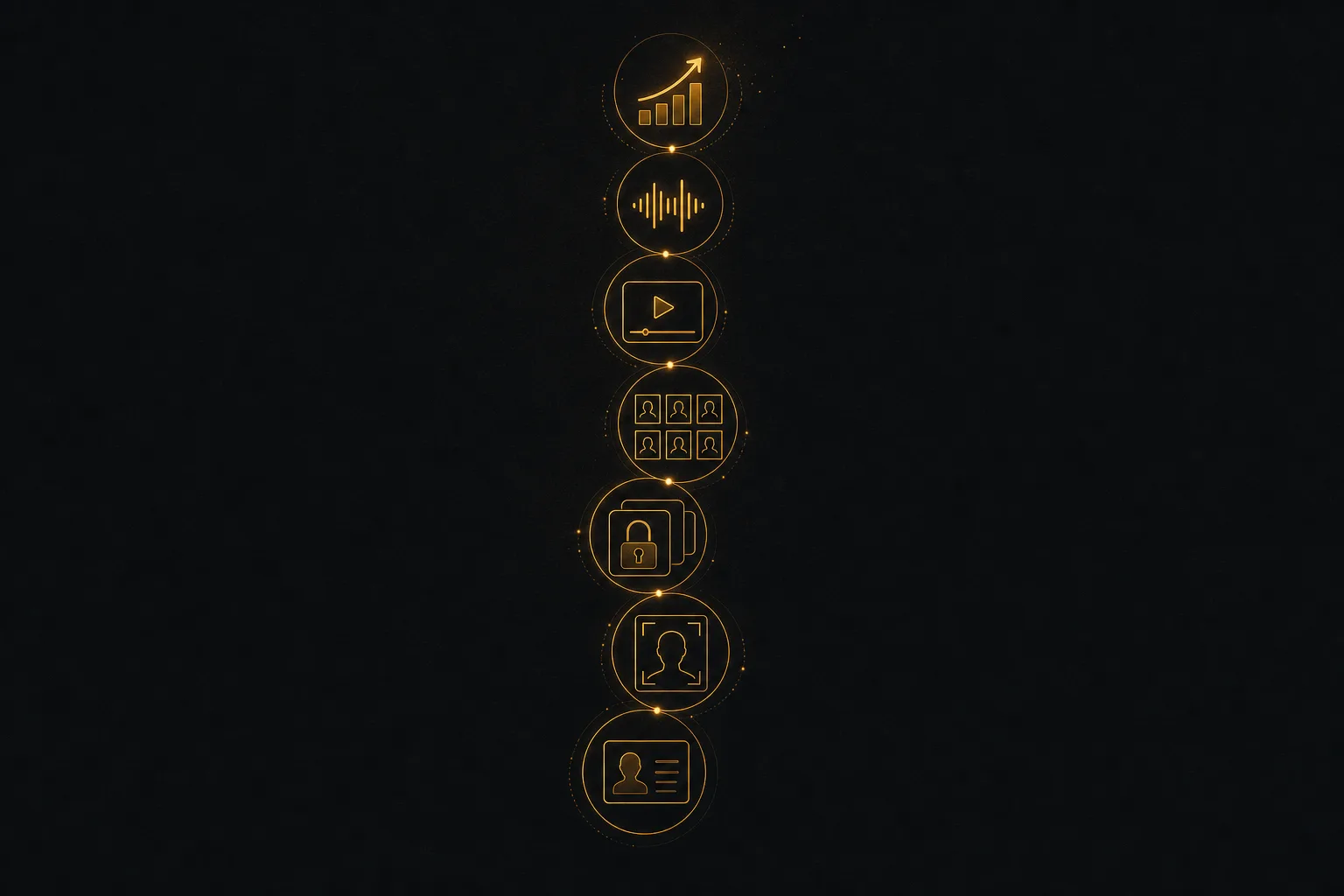
Here is the full workflow. Do the steps in order. The early steps set up consistency, which is the thing that breaks most projects later.
- Define the persona before you generate anything. Write down the name, age, location, niche, personality, and the kind of life this character shows online. A fitness creator in Miami posts very differently from a cozy book reviewer in a small town. Pick a niche with real buyers: fashion, fitness, beauty, tech, travel, or gaming. The niche decides what brands will pay you later, so choose it on purpose, not by accident.
- Generate the base character image. Use an AI image generator to create the face and body. Write a detailed prompt: age range, hair, eye color, skin tone, build, clothing style, and the mood of the shot. Generate several options and pick the one that feels like a real person you could follow. This single image becomes your reference for everything that comes next.
- Lock the look so the character stays consistent. This is the step that separates a real account from a pile of unrelated images. Save your chosen face as a reference and reuse it in every generation. Keep notes on the exact traits: face shape, hairstyle, signature outfit colors, even a recurring accessory. With Vuela you can keep a consistent AI character across image and video output, so the same face shows up in a beach photo, a kitchen reel, and a product shot without morphing into a different person. Consistency is what makes followers believe the persona is one continuous being.
- Build a varied photo feed. A real feed has range: close-up portraits, full-body shots, candid moments, different outfits, different locations, different lighting. Generate a batch of images that fit your persona and niche, all using the locked reference. Edit and refine where needed. AI image generation and editing lets you change backgrounds, swap outfits, and produce product mockups while the face stays fixed. Aim for a backlog of 20 to 30 posts before you launch so the account never looks empty.
- Turn images into video. Short video is where virtual influencers grow fastest. Animate your character from a still image, or generate clips from a text description. With Vuela you can create video from text, from an image, or from an existing video, which means a single portrait can become a talking clip or a lifestyle reel. You can also use motion transfer to map natural movement onto your character, or character swap to drop your persona into an existing video format. This keeps the body language believable instead of stiff.
- Give the character a voice. A virtual influencer that talks feels alive. Use AI voiceover or text-to-speech to generate a consistent voice, and reuse the same voice in every clip so it becomes part of the identity. Pair it with a talking avatar or spokesperson video so the lips and expression match the audio. Pick one voice and stick with it the way you stick with the face.
- Write captions, scripts, and a posting plan. The persona needs words, not just pixels. Generate captions, short scripts, and social posts that match the character voice. Plan a posting cadence you can sustain, usually three to five posts a week, mixing photos and short video. Consistency of schedule matters as much as consistency of face.
- Launch, watch the data, and double down. Post, then read the numbers. See which formats and hooks get saves and shares, and make more of those. Repurpose winning clips into different angles. When one long video performs, turn it into several vertical shorts to feed more platforms from one piece of work.
How to keep your AI character consistent across posts

This deserves its own section because it is where most accounts fall apart. Followers spot a face that changes from post to post, and the spell breaks instantly.
- Use one reference image everywhere. Never start a new generation from scratch once the character is set. Feed the locked face into every image and video job.
- Write a character sheet. List the fixed traits in plain text: hair length and color, eye color, face shape, height, body type, three signature outfits, and any recurring item like glasses or a necklace. Reuse this language in every prompt.
- Keep one voice. Lock a single AI voice and reuse it. A changing voice is as jarring as a changing face.
- Reuse formats, not just the face. Recurring backgrounds, a signature transition, and a consistent color grade all reinforce that this is one persona, not a stock library.
An all-in-one platform helps here because the face, the video, the motion, and the voice live in the same place. Vuela covers consistent character video, image generation and editing, motion transfer, and voice, so you are not stitching five disconnected tools together and hoping the output matches.
How AI influencers make money
The account is a business once it has an audience. The common revenue streams:
- Sponsored posts. Brands pay the persona to feature a product, the same way they pay human creators.
- Affiliate marketing. The character recommends products with tracked links and earns a cut of each sale.
- Brand partnerships. Longer deals where the persona becomes an ongoing face for a company.
- Your own products. Digital downloads, presets, courses, or merch sold through the account.
- UGC services. You generate ad-style content with the persona and sell it to brands who want creator-style video for their own channels.
Be realistic about the timeline. Money follows audience and trust, and both take months of consistent posting. The accounts that earn are the ones that treat it like a real creator business, not a one-week experiment.
Best tools to create an AI influencer
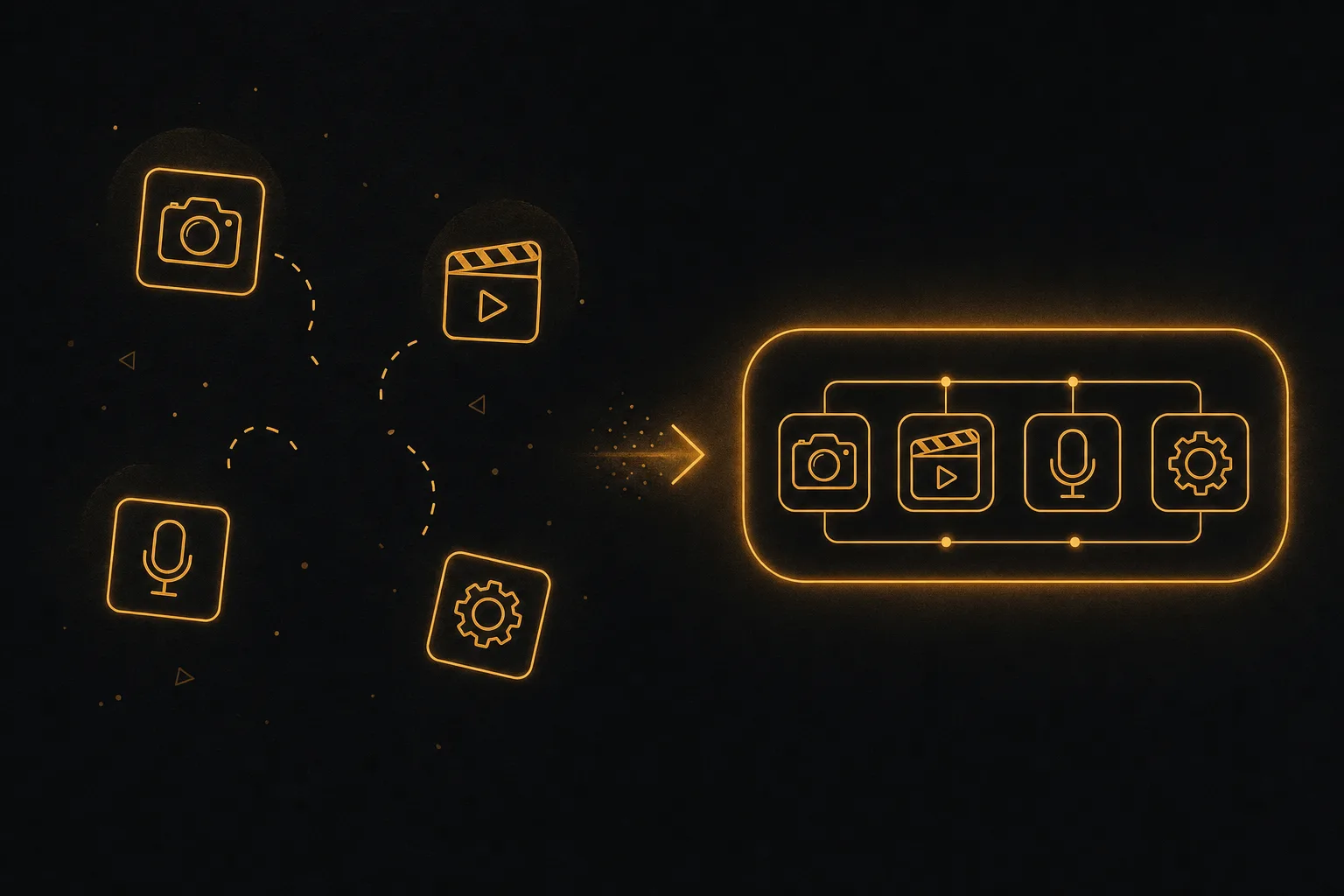
You need four capabilities: image generation, video, a voice, and something to keep it all consistent. Here is how the main options compare. Free tiers and limits were checked in 2026 and change often, so verify before you commit.
| Tool | Best for | Cost notes |
|---|---|---|
| Vuela | All-in-one: consistent character video, image generation and editing, motion transfer, voice, and shorts in one place | Flat-rate plans from $9/mo |
| Standalone image generators | Creating the base face and feed photos | Many offer daily free credits, often with limits |
| Standalone avatar tools | Talking-head clips from a single character | Usually free to try with a watermark |
| Standalone voice tools | Generating and cloning a voice | Free monthly characters on some plans |
The pattern most people hit: separate tools each do one thing well, but the outputs do not match, so the face drifts and the voice changes. An all-in-one platform avoids that. Vuela handles the consistent character, the image work, the video, the motion transfer, and the voice together, which keeps the persona stable across every post. Pricing is flat-rate from $9/mo, so the cost does not balloon as you scale up content.
Common mistakes to avoid
- Launching with an empty feed. A profile with three posts looks abandoned. Build a backlog first.
- Letting the face drift. Skipping the reference image is the fastest way to lose followers.
- Picking a niche with no buyers. Pretty images mean nothing if no brand wants that audience.
- Ignoring video. Short video drives the fastest growth. A photo-only account grows slowly.
- Hiding that it is AI. Transparency protects you legally and builds the kind of trust that lasts.
Frequently asked questions
Do AI influencers actually make money?
Yes, the established ones do, through sponsored posts, affiliate links, brand deals, and their own products. But income tracks audience size and trust, and both take consistent posting over months to build. A new account with a few hundred followers will not earn much. Treat it as a real creator business with a runway, not a quick win.
Is it legal to create an AI influencer?
Creating a fictional virtual persona is generally legal. The key rules: do not impersonate a real person without permission, do not use someone else's likeness or voice, and disclose that the account is AI-generated where the platform or local rules require it. Many platforms now expect AI content to be labeled. When in doubt, label it and check the current rules in your country.
What is the best tool to create an AI influencer?
The best choice is whatever keeps your character consistent across images, video, and voice. Standalone tools each do one job, but stitching them together causes the face and voice to drift. An all-in-one platform like Vuela handles consistent character video, image generation and editing, motion transfer, and voice in one place, with flat-rate plans from $9/mo.
Do I need to show my face to run an AI influencer account?
No. That is the whole point. The persona is generated, so you never appear. You write the strategy, prompts, and captions behind the scenes while the virtual character is the public face.
How do you make a realistic AI influencer?
Realism comes from consistency and variety. Lock one face with a reference image, reuse it in every post, keep a single voice, and build a feed with varied poses, outfits, and locations instead of repeating the same shot. Add short video with natural movement so the character feels alive rather than like a static portrait.